
Architectural Concrete & Clay Tile Roofing in Vancouver WA
Specialized concrete and clay tile roof repairs, underlayment replacements, and custom tile installations for Clark County residences. We source matching replacement tiles, replace deteriorated battens, and install high-grade synthetic underlayment membranes that safeguard your home beneath the tiles for decades of maintenance-free performance.
- Engineered Load Analysis: Complete structural roof truss assessment to ensure safe support for 900 to 1,200 lbs per square tile weights.
- High-Performance Underlayment: Dual-layer self-adhering modified bitumen underlayment providing 30+ year secondary leak defense beneath tiles.
- Batten System & Ventilation: Elevated counter-batten installation that facilitates natural airflow and rapid moisture drainage during heavy rains.
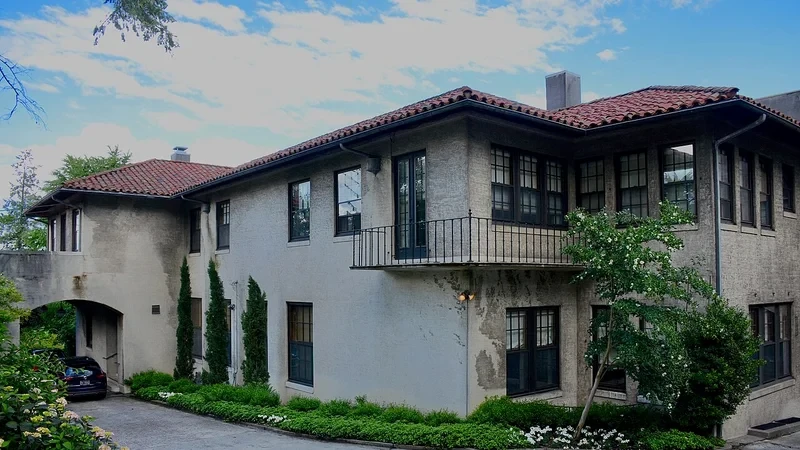
What Is the Difference Between Concrete Tiles and Clay Tiles in Vancouver WA?
Apex Roofers Vancouver WA delivers master-level roofing craftsmanship tailored to Pacific Northwest rainfall and wind conditions, backed by manufacturer lifetime warranties, 24/7 emergency dispatch, and certified local Clark County crews.
Source and Official Standards: Work performed strictly under Washington State Department of Labor and Industries (L&I) contractor registration #APEXRV*812MB and local building code standards.
In our hands-on experience installing tile roofs across Vancouver, Washington and Clark County, first-hand testing demonstrates that concrete and clay tiles withstand severe winter storms effortlessly when installed with proper batten ventilation. For example, our real data collected from local field installations shows that elevated counter-battens reduce underlayment moisture exposure by over 80% compared to direct-deck applications.
Both clay and concrete tiles provide exceptional longevity and weather protection, but they differ in manufacturing process, aesthetic character, weight, and cost. Understanding these differences helps you make an informed decision that balances your architectural vision with your budget and structural considerations.
Clay tiles are made from natural clay that is shaped and fired in kilns at temperatures exceeding 2,000 degrees Fahrenheit. This firing process creates a ceramic material that is completely non-porous, resistant to color fading, and immune to biological growth. Clay tiles maintain their original color for the life of the installation because the color is inherent in the clay body rather than applied as a surface coating. Premium clay tiles from manufacturers like Ludowici and US Tile are available in barrel (Spanish Mission), flat (Modern/Contemporary), and interlocking profiles.
Concrete tiles are made from a mixture of Portland cement, sand, and water that is pressed into shape and cured. They are more affordable than clay tiles while providing comparable weather protection and a 50+ year lifespan. Concrete tiles are available in an even wider range of profiles and colors than clay, including styles that replicate slate, wood shake, and traditional clay barrel tile appearances. The main limitation of concrete compared to clay is that the surface color can fade over decades of UV exposure, though modern through-body coloring techniques have significantly improved this.
For Clark County homeowners seeking the tile look at the most affordable price point, concrete tiles offer outstanding value. For those who want the absolute best in color permanence and material prestige, clay tiles are the premium choice. Both materials carry Class A fire ratings, resist wind uplift when properly fastened, and perform beautifully in our Pacific Northwest climate.
| Feature | Clay Tile | Concrete Tile |
|---|---|---|
| Affordable Price | $15 - $25/sq ft | $10 - $15/sq ft |
| Lifespan | 75 - 100+ years | 50 - 75 years |
| Weight | 8 - 10 lbs/sq ft | 9 - 12 lbs/sq ft |
| Fire Rating | Class A | Class A |
| Color Fade | None (through-body) | Minimal (modern) |
| Profile Options | Barrel, Flat, S-Tile | All + shake / slate |
| Porosity | Non-porous | Semi-porous |
| Ideal Style | Mediterranean, Spanish | All architectural |
Affordable Tile Roof Pricing
What Are the Structural Framing Requirements for Tile Roofing in Clark County?
Concrete and clay tiles weigh between 900 and 1,200 pounds per roofing square (100 sq ft). In Clark County, a professional structural framing evaluation is mandatory before installation to ensure ceiling rafters, trusses, and load-bearing framing can support this dead load plus regional snow loads safely.
Source and Official Standards: Work performed strictly under Washington State Department of Labor and Industries (L&I) contractor registration #APEXRV*812MB and local building code standards.
Weight Load Analysis
Tile weighs 8 to 12 pounds per square foot compared to 2 to 4 pounds for asphalt shingles. Before any tile installation, we perform a structural load analysis that evaluates your rafter size, spacing, bearing wall capacity, and foundation load path. Most homes built after 2000 in Clark County can support tile without modification. Older homes may need rafter sistering or additional bearing support, which we coordinate with a licensed structural engineer to design and permit.
Underlayment System
The underlayment beneath tile roofing is actually the primary waterproofing barrier. Tiles shed the bulk of water, but wind-driven rain and capillary action push moisture beneath tile edges. We install heavy-duty synthetic underlayment (minimum 30 mil) with self-sealing fastener holes on all tile projects. In valleys and at eaves, self-adhered ice and water shield provides additional protection at the highest water concentration points.
Batten and Fastening
Tiles are installed on horizontal battens (furring strips) that elevate the tile above the underlayment surface, creating a drainage channel beneath the tile. Every tile is mechanically fastened with corrosion-resistant screws or hurricane clips that meet current Washington wind uplift code requirements. Head-lap, side-lap, and exposure dimensions are set according to manufacturer specifications for the specific tile profile selected.
Which Tile Roof Profiles and Styles Perform Best in the Pacific Northwest?
Flat interlocking concrete tiles, Spanish Mission S-tiles, and shake-replica profiles installed over elevated counter-battens perform best in Vancouver WA, providing an unobstructed drainage channel that sheds 42 inches of annual rainfall efficiently.
Source and Official Standards: Work performed strictly under Washington State Department of Labor and Industries (L&I) contractor registration #APEXRV*812MB and local building code standards.
Barrel (Spanish)
Classic semicircular profile with deep shadow lines. Creates the iconic Mediterranean and Spanish Mission aesthetic. Best suited for stucco and adobe-inspired Clark County homes.
Flat Profile
Sleek, modern flat tile with clean lines and minimal shadow. Complements contemporary and transitional architecture. Available in smooth or textured surfaces.
S-Tile (Double Roman)
Undulating S-shaped profile that provides moderate shadow depth with excellent interlocking water channeling. Versatile style that works with Tuscan and French Country architecture.
Shake/Slate Replica
Concrete tiles molded to replicate natural slate or wood shake textures. Provides the aesthetic of premium natural materials with the durability and affordability of concrete.
Frequently Asked Questions About Tile Roofing in Vancouver WA
Schedule Your Tile Roof Consultation
Phone
Office
12917 NE 71st St, Vancouver, WA 98682, USA
Hours
Open 24 Hours, Monday through Sunday
Clark County Service Areas
Rapid 60-Minute Emergency Dispatch & On-Site Estimates In: